
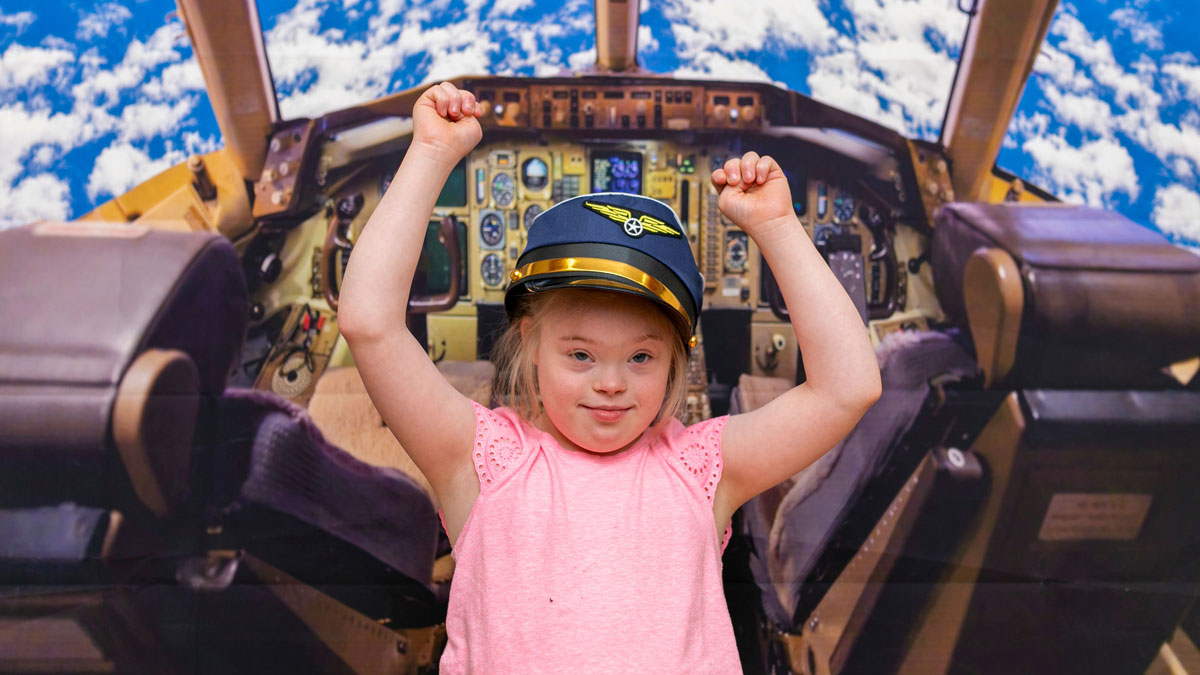
Traveling with children can be exciting, but when your child has a disability or sensory sensitivities, vacations require a little more planning and intention. The good news is that with the right preparation, your trip can be smooth, safe, and enjoyable for the entire family. These tips are designed to help you navigate everything from long drives to busy airports while keeping your child comfortable and secure.
1. Plan and Advocate Early
One of the most important things you can do is call ahead. Hotels, airlines, and attractions often offer accommodations, but they are not always obvious or advertised.
Ask specific questions. Does the hotel offer quiet rooms or early check-in? Does the airline provide pre-boarding or seating accommodations? Do theme parks offer disability access passes or sensory-friendly spaces?
The earlier you communicate your needs, the better your experience will be. You are your child’s best advocate, and most organizations are willing to help when they understand what you need.
2. Prepare Your Child for the Trip
New environments can feel overwhelming. Preparing your child in advance can reduce anxiety and increase cooperation.
Talk through the trip step by step. Show pictures or videos of where you are going. Use visual schedules or social stories to explain what will happen.
Practice key parts of the trip if possible. This could include walking through security procedures, trying on headphones, sitting in the car for longer stretches, or even visiting those airports to practice walking the routine.
3. Make Long Drives More Manageable
Road trips are common across the South, but long hours in the car can be challenging.
Build in frequent breaks. Plan stops every couple of hours to allow movement and reset time.
Bring comfort items. Favorite toys, blankets, or sensory tools can help regulate emotions.
Create a predictable rhythm. Snacks, music, quiet time, and activities can follow a loose schedule, so your child knows what to expect.
Download movies, games, or shows ahead of time in case you lose signal.
4. Navigate Airports and Flights with Confidence
Airports are high sensory environments with noise, crowds, and constant movement.
Arrive early to avoid rushing. Many airports offer family or disability assistance lines.
Request pre-boarding so your child has extra time to get settled.
Use noise-canceling headphones or earplugs to reduce sound sensitivity.
Pack a carry-on with essentials including snacks, comfort items, and sensory supports.
Let airline staff know your needs. A simple conversation can go a long way in creating a smoother experience.
5. Handle High Sensory Spaces Like Theme Parks
Theme parks and large attractions can be overwhelming, but they can still be enjoyable with the right approach.
Look into accessibility programs. Many parks offer disability passes that reduce wait times or provide alternative access.
Take breaks often. Identify quiet areas or shaded spaces where your child can decompress.
Go early or later in the day when crowds are smaller.
Set realistic expectations. You do not have to do everything. Focus on a few positive experiences rather than trying to fit it all in.
6. Prioritize Safety and Prevent Wandering
Busy vacation environments increase the risk of children becoming separated from caregivers.
Dress your child in bright, easily recognizable clothing.
Take a photo of your child each day so you have a current image.
Use wearable ID such as bracelets or tags with your contact information.
Consider tracking devices that can be worn discreetly. Options like Apple AirTag or Jiobit Smart Tag can be placed in a shoe, pocket, or clothing for added peace of mind.
Consider safety connecting bracelet options to physically connect you to your child. Be sure to order this ahead of time to practice wearing it with your child in a fun and natural environment.
Teach your child what to do if they get lost, such as finding a staff member or staying in one place.
7. Choose Accommodations That Work for You
Where you stay matters. Look for hotels or rentals that offer space and flexibility.
Ask for rooms away from elevators, ice machines, or busy areas if your child is sensitive to noise.
Consider suites or rentals with separate sleeping areas to allow for downtime.
Bring small comforts from home such as a favorite pillow, blanket, or nightlight to create a familiar environment.
8. Packing with Intention
Packing strategically can make a big difference in how your trip goes.
Bring more snacks than you think you need, especially if your child has food preferences.
Include sensory tools such as fidgets, weighted items, or calming devices.
Pack a small “calm-down kit” with items your child can use when overwhelmed.
Have a backup plan for key items in case something gets lost.
9. Build in Flexibility
Even with the best planning, things may not go exactly as expected.
Give yourself permission to adjust your plans. If your child is overwhelmed, it is okay to leave early or skip an activity.
Celebrate small wins. A successful car ride, a smooth flight, or a positive outing is worth recognizing.
Focus on connection over perfection. The goal is to create positive experiences, not a perfectly executed itinerary.
Traveling with a child with disabilities may look different, but it can still be meaningful, fun, and memorable. With preparation, advocacy, and a focus on your child’s unique needs, you can create a vacation that works for your entire family.